تحديث المباني القائمة في الصين باستخدام تقنيات الطاقة الذكية: المراقبة الرقمية، وأنظمة إدارة الطاقة في المباني، والتمويل الأخضر
DOI:
https://doi.org/10.65998/ljsdr.v2i2.21الكلمات المفتاحية:
إعادة تأهيل المباني لتحسين كفاءة الطاقة، نظام إدارة الطاقة في المباني، المراقبة الرقمية، كفاءة الطاقة، لتمويل الأخضر، المباني الذكية، أنظمة التدفئة والتهوية وتكييف الهواء، أداء الطاقة، الصين، .kالملخص
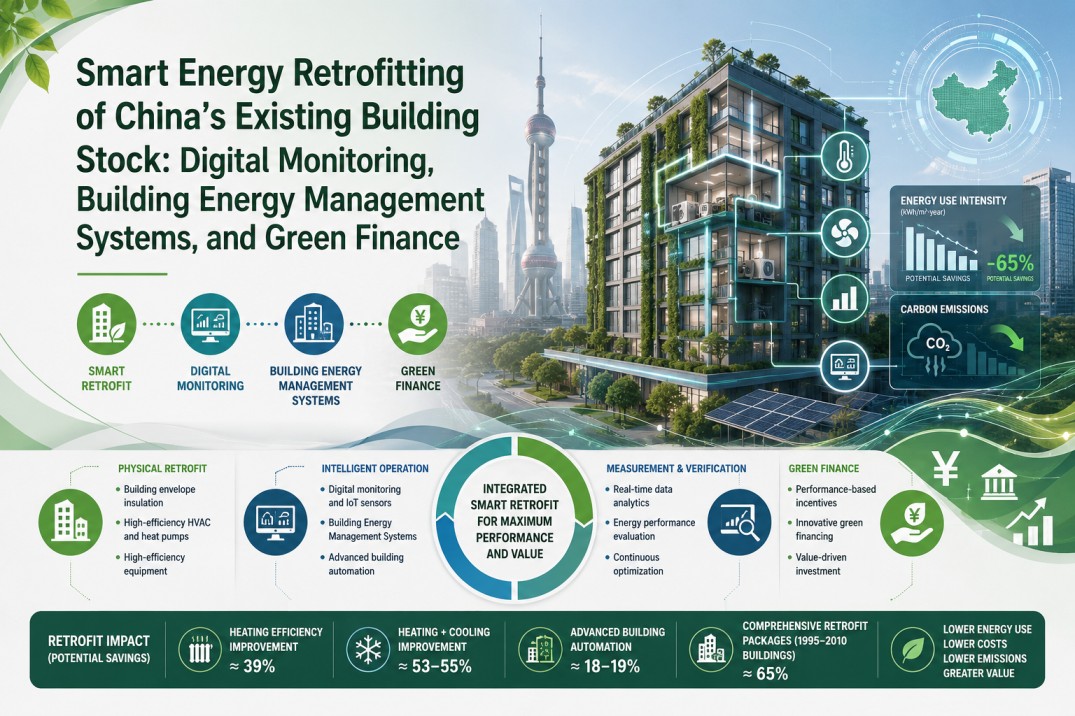
يمثّل مخزون المباني القائم في الصين فرصة كبيرة لخفض الاستهلاك النهائي للطاقة، والطلب على الكهرباء، وتكاليف التشغيل، وانبعاثات الكربون. ومع تباطؤ نمو قطاع البناء وازدياد نسبة المباني الحضرية القديمة، سيعتمد تحسين كفاءة المباني على المستوى الوطني بصورة متزايدة على إعادة تأهيل المباني السكنية والعامة والتجارية. تبحث هذه المقالة إطارًا متكاملًا لإعادة التأهيل الذكي، يجمع بين تجديد أغلفة المباني، وأنظمة التدفئة والتهوية وتكييف الهواء عالية الكفاءة، والمضخات الحرارية، والمعدات ذات الكفاءة المرتفعة، والمراقبة الرقمية، وأنظمة إدارة الطاقة في المباني، وآليات التمويل الأخضر المبتكرة. وقد أُجري تقييم فني وسياساتي بالاعتماد على البيانات وسيناريوهات إعادة التأهيل التي أوردتها وكالة الطاقة الدولية بشأن قطاع المباني في الصين. ويشير التقييم إلى أن رفع كفاءة التدفئة قد يخفض استهلاك الطاقة بنحو 39%، وأن التحسينات المتكاملة لأنظمة التدفئة والتبريد قد تحقق وفورات تتراوح بين نحو 53% و55%، وأن أنظمة الأتمتة المتقدمة للمباني قد تخفض الاستهلاك بنحو 18–19%، في حين يمكن لحزم إعادة التأهيل الشاملة أن تقلل الاستهلاك النهائي للطاقة بنحو 65% في بعض المباني المختارة التي شُيّدت بين عامي 1995 و2010. وتقترح المقالة مؤشرات فنية للأداء تشمل كثافة استخدام الطاقة، والطلب الأقصى، وكثافة الانبعاثات الكربونية، وكفاءة أنظمة التدفئة والتهوية وتكييف الهواء، والراحة الحرارية، ومرونة الأحمال، ووفورات التكاليف، والأداء الاستثماري. كما تناقش الإعانات القائمة على الأداء، وعقود شركات خدمات الطاقة، والقروض الخضراء، والتمويل المدعوم بالتأمين، والتمويل من خلال فواتير الطاقة، والتكامل مع أسواق الكربون. وتُظهر النتائج أن أكبر قيمة تتحقق عندما يُنفَّذ التجديد المادي، والتشغيل الذكي، والقياس والتحقق، والحوافز المالية بوصفها منظومة متكاملة، بدلًا من تطبيقها كتدخلات منفصلة.
التنزيلات
التنزيلات
منشور
إصدار
القسم
الرخصة
الحقوق الفكرية (c) 2026 المجلة الليبية لأبحاث التنمية المستدامة

هذا العمل مرخص بموجب Creative Commons Attribution 4.0 International License.